Blog detailed
May 18, 2026 ⋅ POULTRY
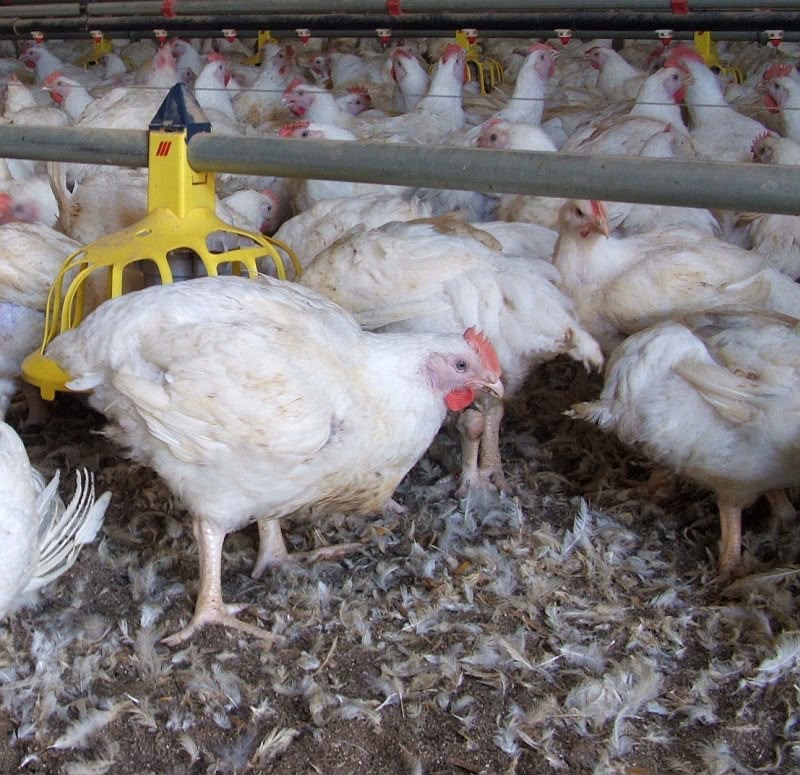
"Healthy Pens Start with Litter"
Litter condition is one of those areas in raising poultry that is often overlooked in preparation of the pen for growing birds. The ability of a litter material to absorb and release moisture is the key property in maintaining an optimum pen environment. Litter material like softwood shavings is ideal for this use.
Increased moisture levels in the litter material will be problematic to the poultry flock. Litter moisture should be in the range of 30-70% moisture. When the litter is too dry (<30%), dust conditions may persist in the pen as birds move about. In active flocks this can be a problem of introducing microorganisms into the air that the birds breathe. This will overload the birds’ respiratory and digestive system with pathogens.
On the other hand, the litter material should not exceed 70% moisture in the poultry pen. High litter moisture provides an ideal environment for microorganisms to grow and multiply, increasing the possibility of pathogen exposure to the birds. High moisture also decreases the bird comfort in their environment as they seek comfortable dry bedding areas. Higher moisture means higher ammonia production and that can lead to problems with bird health as increased intake of ammonia will increase stress on the birds.High ammonia levels can affect the bird physically as well in their upper respiratory tract, eye lesions from ammonia burn and
the possibility of carcass quality being compromised as birds succumb to ammonia burn on exposed skin as they lay on the ammonia producing manure/litter mix. The stress from increased levels of ammonia exposure decreases the bird's ability to handle other infectious agents. Ammonia burn on affected bird carcasses will lead to increased trim as birds are processed.
How does pen moisture level increase?
Birds dissipate moisture from their bodies through breathing and fecal discharge.
As water consumption increases as the bird grows, and due to higher temperatures or diet salt levels, water expulsion will increase. Birds use breathing as a way to cool their bodies, so expulsion of moisture in warmer weather thorough breathing is essential for bird health and maintenance of body temperatures. Birds don’t sweat - they use increased consumption of cool water to keep their body temperature in check. Water consumption will almost double in hot weather. The difference in water pen temperature has a marked effect on water consumption. As water consumption rises, the bird drinks more to help maintain body temperature and expels more moisture into the litter. This increased moisture then needs to be removed from the pen by increased ventilation rates.
Litter will contain some moisture. High initial litter moisture can be problematic if the moisture level is not quickly reduced. Early exposure of chicks to a moisture-laden litter will decrease the chick’s ability to find that comfort zone and may cause them to put off drinking and eating as they seek warmth. Litter should have some moisture as it is beneficial to chicks when they are placed, to reduce dehydrating potentials from their floor environment. In-floor heat can increase this kind of effect as very little litter is used with this type of heating system making the pen environment at chick level quite dry.
With conventional heating systems, a layer of litter material 2-4 inches is used. This layer of litter helps absorb moisture introduced to the pen, thus maintaining a comfortable environment for theyoung birds. It is also made of a material like softwood shavings, rice husk, coconut coir etc that easily absorbs moisture but also easily dissipates it into the pen air as air moves across it. Moisture is also added to the pen through the feed, as it normally contains about 10% moisture. This moisture level is not considered problematic in increasing pen moisture level but must be considered when moisture levels increase.
Waterlines can introduce excess moisture into the pen through:
b. Leaks
Leaks in the water line may be due to improper pipe and nipple drinker connections, leaking drinkers due to build up around nipple drinker parts not allowing a complete seal and low pressure not forcing a tight seal with drinker parts. Build up around drinker parts and in the water line of slime and material can be overcome through regular flushing of the water line system. Usually, this is done between flocks, but in farms with water source problems, this should be done on a regular schedule. Between flocks, use a citric acid or acetic acid water solution to fill the water system and let set 24-48 hours. Open the end of the water line and allow water to flow and flush out the system. For farms with continuing problems there are 2 ways to cover the problem:
i. Run a line sanitizer and acidifier (ex. low concentration of citric acid)continually throughout the flock, or/and;
ii. Open end of line and flush through on regular schedule
**If you are not sure if there is a build-up of material, an easy check is to test chlorine levels of the water at the pump or entry end of the pen and at the far end of the water line. As chlorine is taken up by the in-line build-up of material, a difference in chlorine levels will indicate if there is a build-up problem.
b. Improper drinker height and water pressure.
Both will show a lack of water equipment management and will lead to abnormal bird drinking behavior.
Poor line height adjustment will cause abnormal bird drinking behavior as they adjust to drinker height. Too high and too low a level will end up causing the birds to spill water as they drink. Nipple drinkers need to be at eye heightthe first few days to allow the chicks to get a good start.They are then adjustedso that they are at a 45 degreeangle for birds to drink properly. The drinkers need to be adjusted daily as birds grow. When water lines are uneven, there could be air pockets in higher parts of the line leading to the overuse of lower drinker areas of the water line. Water pressure should also be adjusted upwards so water delivery is adequate for the growing bird.
The facility itselfmay be adding moisture to thepen.
Farms with little or no grade around them impede water drainage away from the pen. Instead, when it rains the water runs into the building, not away. Some farms with end clean-out doors are not properly graded away from the building and allow water to run in the big door openings adding huge amounts of moisture to the litter in that area of the bottom floor pen.
Poor building maintenance with leaky roofs or openings where rain/water can enter add moisture to the poultry pen litter. This type of problem can only be overcome by getting proper grade around the poultry facility and drainage away from the poultry barn.
The air brought in from outside as the ventilation system moves air through the pen contains moisture.
The moisture level of outside air varies throughout the year. In warmer weather the air moisture carrying capacity increases. Therefore, when warm air is being drawn through the barn, it has less ability to pick up pen moisture for exhaust. Therefore, with warm outside air, larger volumes of air are moved through the pen to compensate for this lesser capacity.
The moisture holding capacity of cold outside air is much lower meaning that the moisture level of cold air being pulled into the barn is low. Due to this lower moisture, bringing cold dry air into the pen and warming it as it mixes with warm pen air increases its moisture holdingcapacity. This air then picks up moisture as it moves through the pen and is exhausted. Using this drier air in the colder months with its increased ability to pick up pen moisture is the basics of cold weather ventilation.

Factors affecting egg shell quality
May 01, 2026 ⋅ POULTRY

Water: The essential and overlooked nutrient in poultry
May 12, 2026 ⋅ POULTRY
Poultry litter management: keeping litter dry
May 18, 2026 ⋅ POULTRY

Nutritional Intervention to manage Heat Stress in poultry
May 25, 2026 ⋅ POULTRY

Welfare of birds in broiler farming and slaughter
June 01, 2026 ⋅ POULTRY

Summer management in dairy cows
June 08, 2026 ⋅ CATTLE

Repeat breeder syndrome in cow
June 15, 2026 ⋅ CATTLE