Blog detailed
June 15, 2026 ⋅ CATTLE

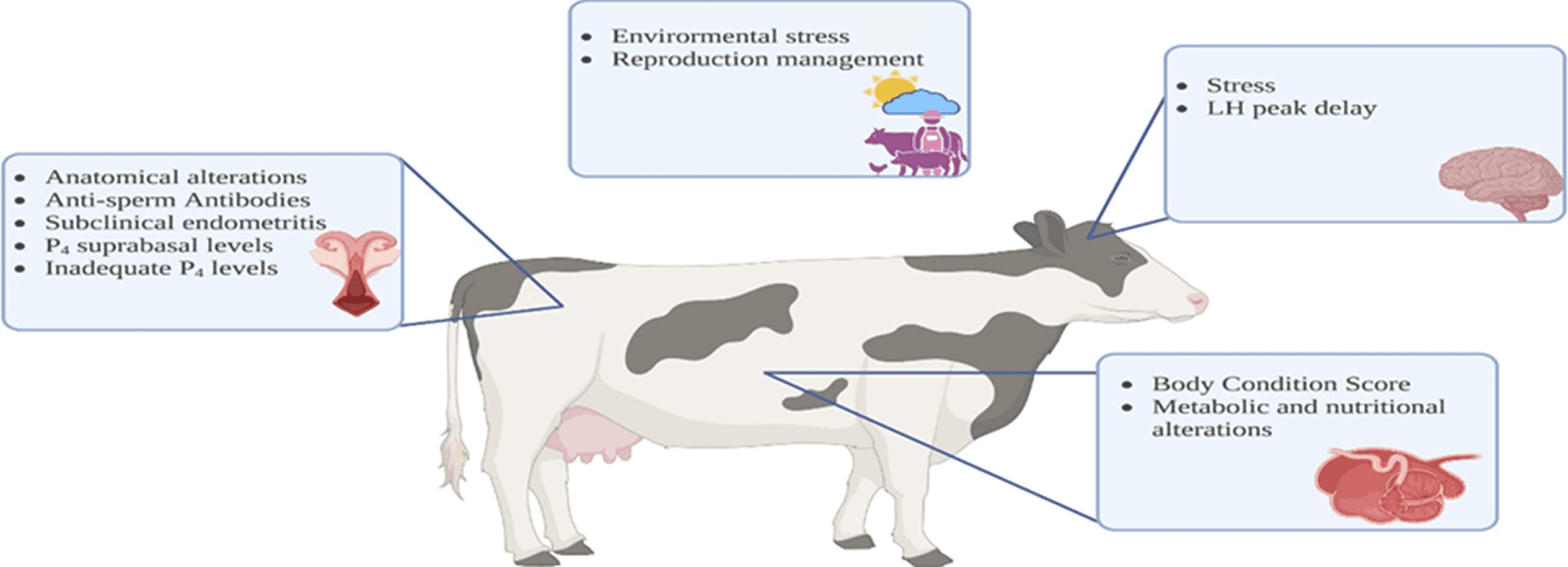
Repeat breeding is one of the most important infertility problem faced by field veterinarians.The cows look apparently normal and it is difficult to diagnose the cause. A robust reproduction and production critically contribute to the profitability of the dairy farm. Repeat breeding causes financial loss in terms of repeated inseminations, treatment, cost of feeding without production, production loss due to delayed conception.
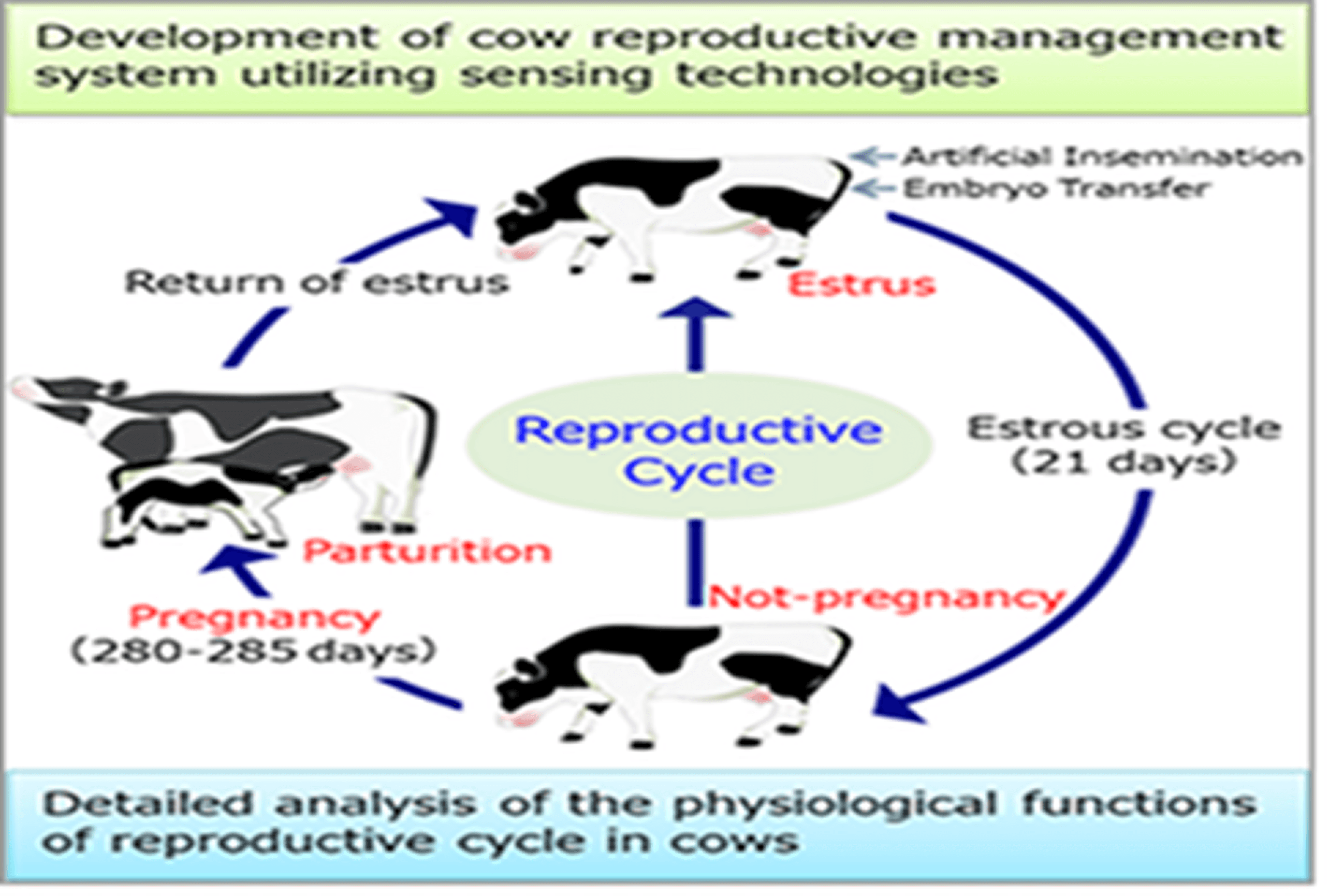
ESTROUS CYCLE:
It is a physiological functional rhythm of female reproductive system after puberty.
Stages- Proestrus, Estrus, Metestrus, Diestrus.
Length of estrus cycle-18 to 22 days.
Length of estrum-12 to 24hrs.
Ovulation time- 12hrs after end of estrus.
REPEAT BREEDER SYNDROME:
It is defined as the cow not conceived for 3 or more than 3 consequtive inseminations inspite of calved atleast once, regularly cyclic, apparantely normal reproductive tract anatomy, apparently healthy uterine environment, inseminated with good quality semen, correct AI techniques, less than 10yrs old.Effect on reproduction:
In addition to increasing the incidence of anestrous and silent heat in domestic livestock, heat stress shortens and intensifies the estrous cycle and affect follicular growth. Heat stress compromises the physiology of the reproductive system, resulting in hormonal imbalance, decreased oocyte and semen quality and impaired embryo growth and survival. Each unit increase in temperature humidity index (THI) above 70 was found to reduce the percentage of conception rates by 4.6%, while heat stress during pregnancy further slows down the foetus growth and lowers the birth weight.
CAUSES:
Genetics- Chromosomal or genetic abnormalities of parent and those defects that occur during differentiation process may negatively affect fertility.
Age- More common in older cows.
Utereine infection- Subclinical uterine infections like subclinical endometritis, metritis, cause early embryonic mortality leads to repeat cows.
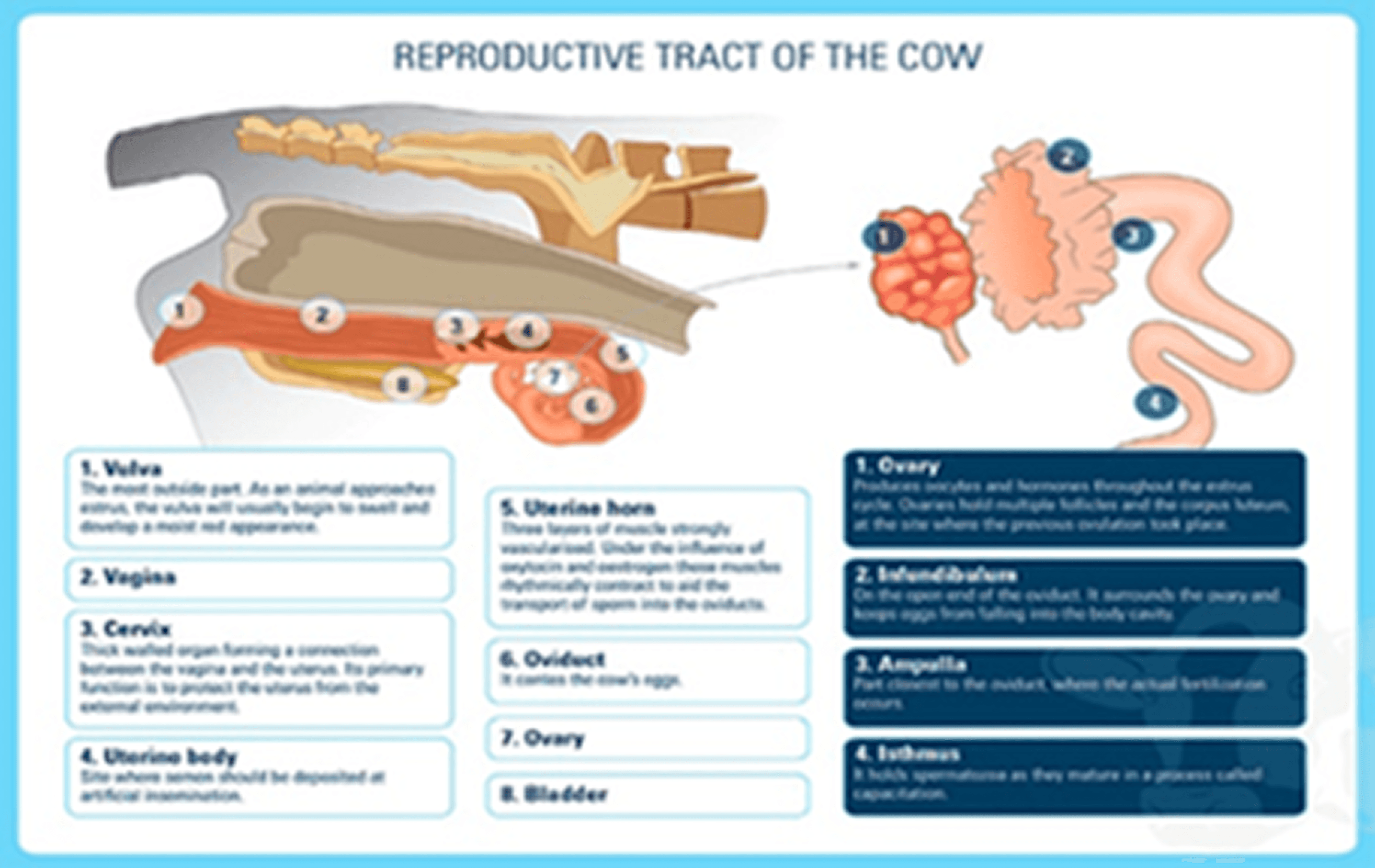
Anatomical defects of genital tract- Defect in oocyte growth, sperm transport, fertilization & implantation.
Improper ovarian function- Cystic ovarian degeneration, delayed ovulation, luteal inadequacy.
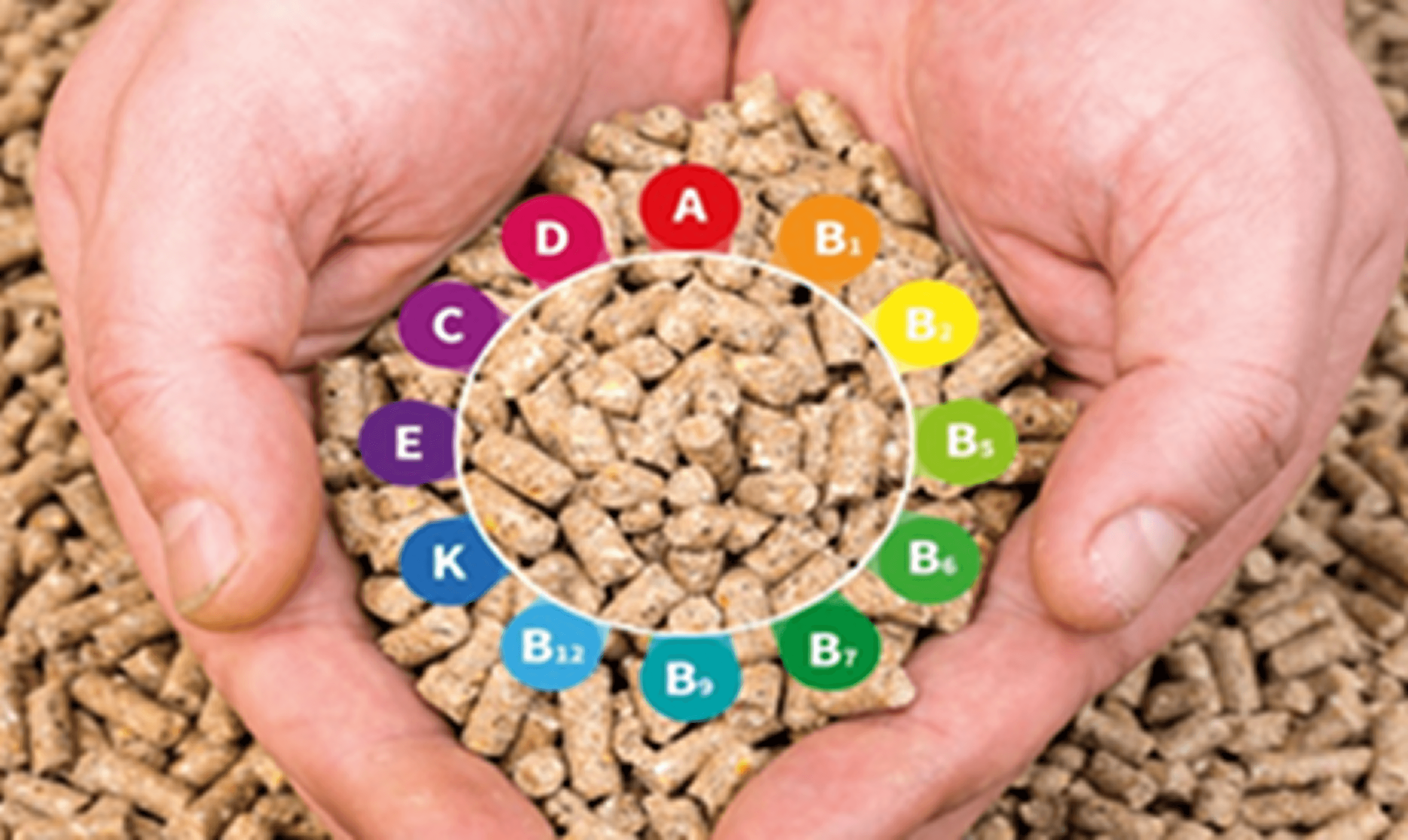
Nutritional causes- Deficiency of vit A,D3 &E, microminerals like selenium, copper, zinc, cobalt and low protein in diet leads to impaired hormonal production.
Other causes- Deficiency of oxytocin, energy, progesterone, Excess estrogen , overcrowding of embryo causes repeat breeder.
DIAGNOSIS:
By rectal examination, history.
TREATMENT:
For subclinical endometritis use lugols iodine or povidone iodine intrauterine to cure the uterine infection.
Antibiotics like Streptopenicillin, Oxytetracycline, ceftriaxone, ceftiofur is work well in uterine infection.
Proper nutrition like protein ,vitamins, minerals should be supplemented.
Vitamin A 30000 to 50000 units daily required.
Selenium at 0.3ppm (mg/kg DM) needed , Vitamin E 3000IU /day is needed to avoid uterine infection .
Micronutrients like Cu, Zn, Co, P ,Fe is required optimal level for better reproductive performance.
Feeding of alovera, curry leaves, raddish, drumstick leaves, pirandai will improve the infertility problem in cows.
Negative energy balance provoke a cascade of metabolic disorders like ketosis, abomasal displacement & fatty liver. Feeding monensin and rumen protected choline are proven prophylactic measures against ketosis , mastitis and later on indirectly on uterine health.
Progesterone insufficiency is avoided by injecting of GnRH or LH hormone on day 5-7 after insemination will develop accessory CL to provide more P4.
Hormonal protocol like GPG protocol or PG protocol followed to improve fertility.
GPG Protocol- Day 0 GnRH injection
Day 7 PG injection
Day 9 GnRH + AI (Cosync)
CONCLUSION:
Good quality feed with proper nutrition and balanced feeding , Proper AI techniques.Cows showing turbid or discoloured vaginal mucus discharge should not be inseminated and should be checked for any uterine infections and treated accordingly. Yearly one calf for a cow is a ultimate goal and profitable farm.


Factors affecting egg shell quality
May 01, 2026 ⋅ POULTRY

Water: The essential and overlooked nutrient in poultry
May 12, 2026 ⋅ POULTRY
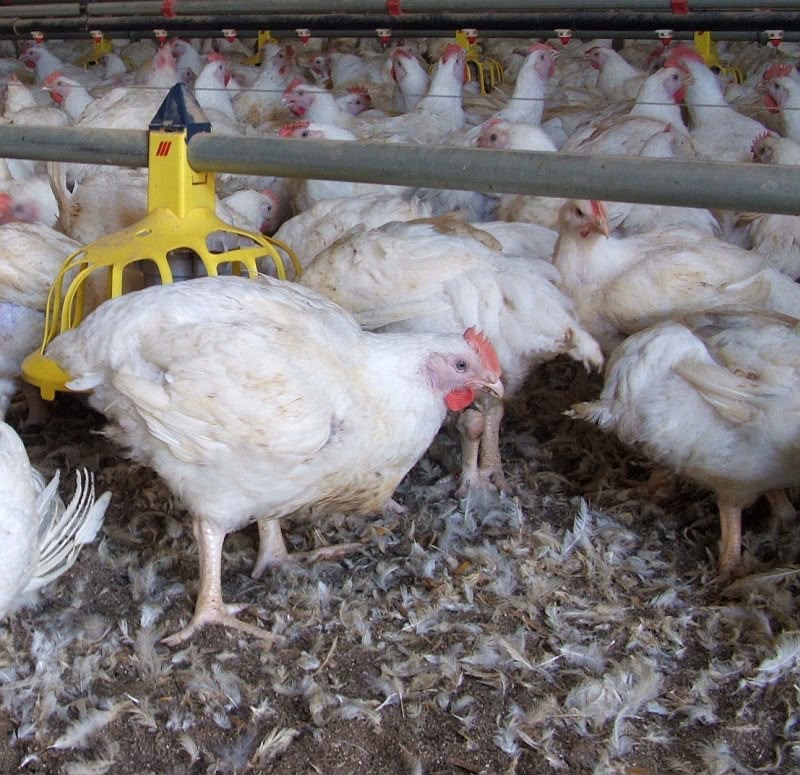
Poultry litter management: keeping litter dry
May 18, 2026 ⋅ POULTRY

Nutritional Intervention to manage Heat Stress in poultry
May 25, 2026 ⋅ POULTRY

Welfare of birds in broiler farming and slaughter
June 01, 2026 ⋅ POULTRY

Summer management in dairy cows
June 08, 2026 ⋅ CATTLE
Repeat breeder syndrome in cow
June 15, 2026 ⋅ CATTLE