Blog detailed
May 01, 2026 ⋅ POULTRY
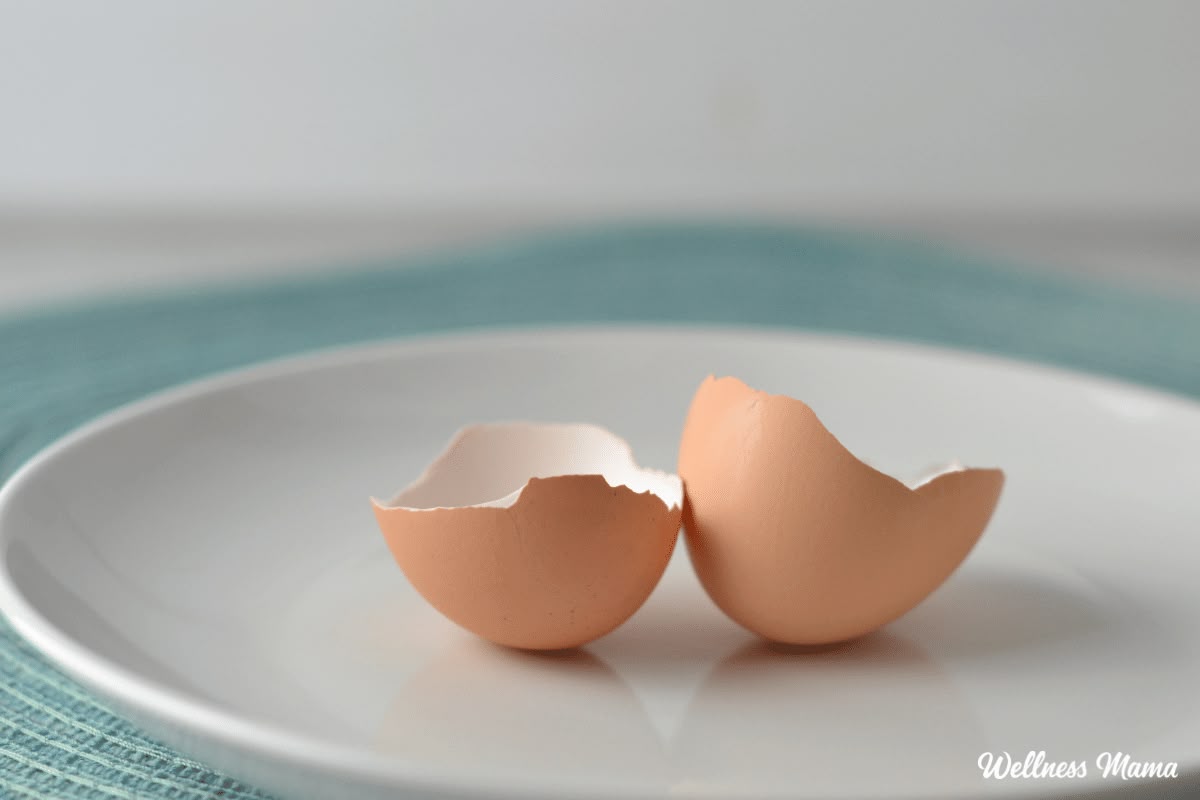
Maintaining optimal eggshell quality is crucial for poultry production. The shell provides structural integrity and safeguards essential nutrients. Eggshell quality not only affects consumer preference but also influences producers' economic profitability. The eggshell ultrastructure consists of mammillary, palisade, and vertical crystal layers. Any defect in shell structure results in a reduction in eggshell quality. he eggshell accounts for 9-10 percent of egg’s total weight, typically weighing 4-5 gm. It contains 1.6 Percent water,3.3 to 3.5 percent organic matrix when eggshell membranes are included and 95 percent inorganic minerals (CaCO3 – 95 percent). Several factors are responsible for Egg shell quality:
NUTRITION: Adequate nutrition, particularly Calcium, Phosphorus and Vit D3, is crucial for preventing egg breakage in poultry. Calcium is essential for shell formation, while Phosphorus and Vitamin D3 support Calcium metabolism and bone health, proper feeding practices including Calcium particle, size and timing also play a role. Evening feeding Calcium or supplementing with large limestone grits can improve Calcium uptake during the shell forming period.
If Ca & P are insufficient, the hen will deplete its own reserves potentially leading the weaker shells. Vit D3 is essential for Calcium absorption and metabolism, playing a vital role in the formation of strong eggshell.
Minerals like Manganese, Copper and Zinc also contribute to shell quality. Good electrolyte balance affects the overall health, formation of strong shells.
Environmental Factors: Environmental factors play a significant role in egg shell breakage in layer poultry. Primarily impacting shell strength and the likelihood of breakage during laying and handling, factors like temperature, lighting, water quality and housing condition can all influence eggshell quality and contribute to increased breakage rate.
Heat stress can weaken egg shells by interfering with Calcium deposition in the shell. Inadequate lighting can disrupt the hen’s natural circadian rhythm affecting egg production and potentially leading to weaker shells. Drinking water with high level of salts or contaminants can negative impact the hen’s health and ability to produce strong eggshells.
Different housing system can impact eggshell strength and breakage rates, with some systems potentially leading to higher breakage due to factors like overcrowding activity during egg laying. High hen density can lead to increased stress and competition for resources, potentially weaking eggshells and increasing the likelihood of breakage. Poor hygiene in laying house can lead to contamination of egg with bacteria, potentially damaging the shell and increasing breakage.
Disease: Several diseases can cause layer egg to become more prone to breakage often due the impact on egg shell quality. Diseases like ND and IB can affect egg shell quality and lead to more breakage. Some bacterial diseases like Mycoplasma and colibacillosis also affect eggshell quality led to breakage.
Age: The age of laying hens significantly affects egg shell quality. As hens age the thickness of the egg shell generally decrease laying to a higher incidence of cracked and thin shelled eggs. This decline is linked to reduced Calcium absorption and mobilization as well as changes in the rate of Calcium carbonate deposition during shell formation.
EGG SHELL ABNORMALITIES
Shell-less eggs do not have a shell. Instead, the interior contents of the egg (i.e., yolk and albumin) are protected only by the shell membranes. Immature shell gland, diseases such as AI, ND, IB, and egg drop syndrome ’76, deficient in calcium, phosphorus, manganese, or vitamin D3 can cause flocks to lay shell–less eggs.
A soft– shelled egg has a thin layer of calcium deposited onto the shell membrane and the egg has a paper–like feel. Potential causes are too much phosphorus in the diet, mouldy feed, salty water, or feed contaminated with mycotoxins.
Calcium Deposits on Eggs High Ca or D3 in hens diet is responsible for irregularly shaped, excess calcium deposits on the surface of an egg’s shell. This may also occur if the shell gland is defective or if there are disturbances during the calcification process during egg formation and deposits.
Pimpled Eggs have small, raised lumps of calcium on the shell and feel rough and sandpaper–like to the touch. The severity of the pimples depends on the amount of foreign material present during calcification.
Slab Sided Eggs occurs when a second egg enters the shell gland before the first egg leaves. This can occur if there are changes in the chicken house lighting or if the bird is stressed. Diseases also can cause this anomaly.
Cracked Eggs have large cracks, star cracks or hairline cracks that sometimes result in holes in the shell. This is more likely to be observed in older hens. It also can occur in younger flocks if the water is salty or in calcium or vitamin D deficiency. Mycotoxins (especially zearalenone) in the diet and heat stress also can cause cracked eggs.Wrinkled Eggs appear to have ridges or wrinkled surfaces. Overcrowding, which results in stressed hens, can cause this abnormality. It also can be seen when a hen’s shell gland is defective or if the flock has infectious bronchitis.
Corrugated Eggs happens during plumping, the process where nutrient rich fluids are pumped into membrane–covered eggs before the shell are laid over the shell membrane. When plumping is not controlled properly and terminates before the process is completed, corrugated eggs result. This abnormality is more common in older hens. Heat stress, salty water, poor nutrition, and mycotoxin contaminated diets all can cause corrugated eggs.
Mottled eggs have a spotty appearance to the naked eye. The spots, which are more translucent than the other areas of the shell, can be seen clearly when candled. This condition occurs when the shell fails to dry out quickly. It is common in overcrowded houses with high humidity. Manganese deficiency, disease and mycotoxins also can cause mottled eggs.
Dirty Eggs can be stained with excreta when the flock has wet, pasty droppings. Large amounts of indigestible compounds in their feed, poor gut health, or salty water can cause wet droppings.
Bloodstained eggs are more common in young flocks in early lay, especially if the hens are overweight. Poor hygiene and sudden increases in day length also can cause bloodstains on eggs.

Factors affecting egg shell quality
May 01, 2026 ⋅ POULTRY

Water: The essential and overlooked nutrient in poultry
May 12, 2026 ⋅ POULTRY
Poultry litter management: keeping litter dry
May 18, 2026 ⋅ POULTRY

Nutritional Intervention to manage Heat Stress in poultry
May 25, 2026 ⋅ POULTRY

Welfare of birds in broiler farming and slaughter
June 01, 2026 ⋅ POULTRY

Summer management in dairy cows
June 08, 2026 ⋅ CATTLE

Repeat breeder syndrome in cow
June 15, 2026 ⋅ CATTLE